
You’ve poured months into design, approvals, and construction—only to hear from the utility: “We can’t energize your project for another 10–14 weeks.”
Welcome to the world of utility backlogs—one of the most common and costly threats to project schedules. Energization delays aren’t just frustrating; they can ripple through sales timelines, leasing commitments, and cash flow.
In this post, we’ll break down why backlogs happen, what steps actually control your energization date, and how to protect your project from falling victim to the waiting game.
What Causes Utility Backlogs?
Contrary to popular belief, backlogs aren’t just about “slow utilities.” They’re a convergence of several issues:
- Civil Release Dependencies
Utilities like SCE won’t even begin cable installation until the underground conduit system has passed final inspection (“civil release”). If civil isn’t wrapped up on time, the energization clock hasn’t even started. - Work Order Sequencing
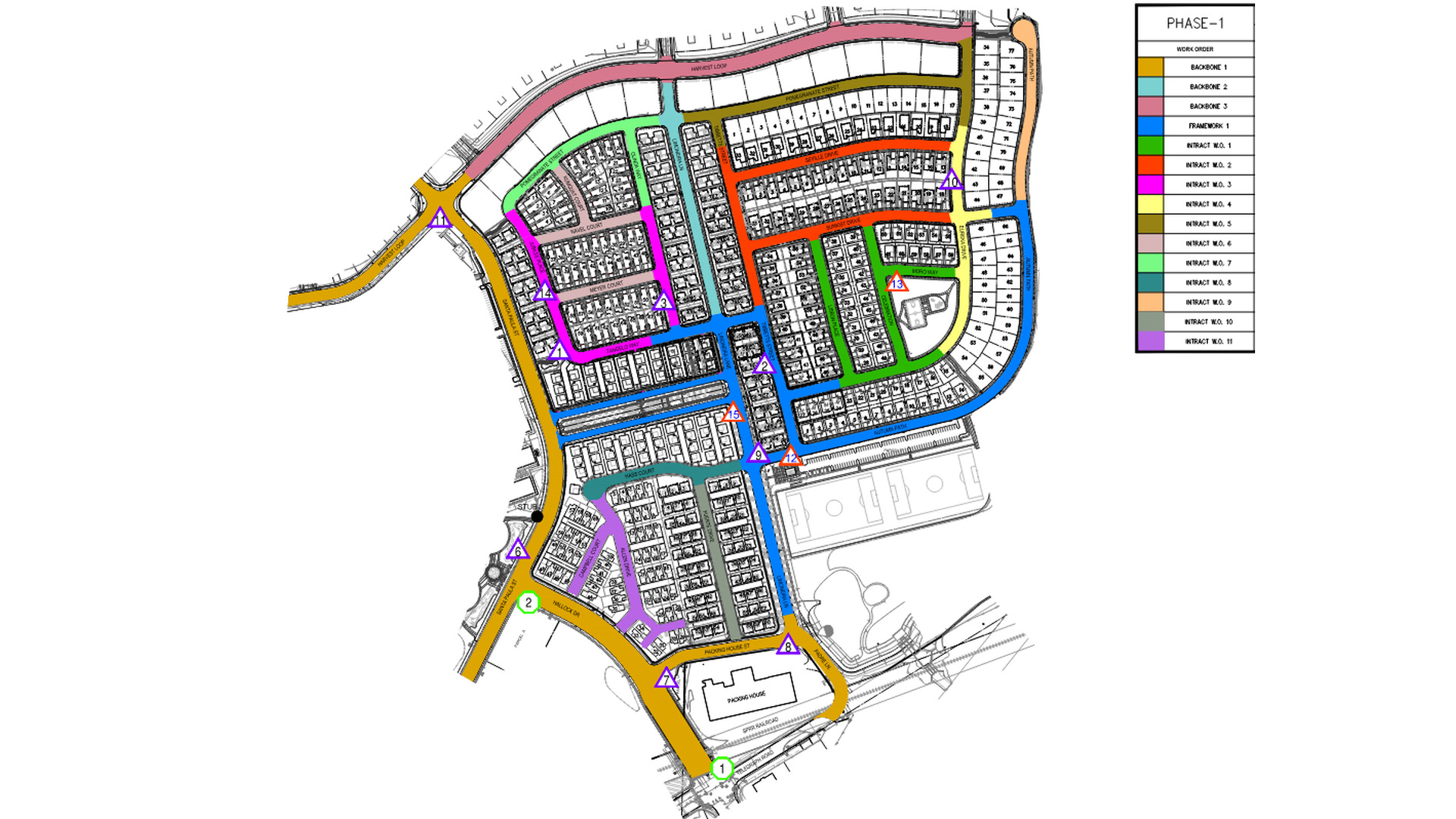
Mainline extensions (Rule 15) and service extensions (Rule 16) may run on different schedules. If these aren’t aligned, one lagging work order can stall the entire energization package. - Long-Lead Equipment
RAG switches and other electrical components carry lead times of 26+ weeks from applicant install contractors. If procurement isn’t planned early, even a perfect construction schedule won’t save you. - Easement Recording
Utilities require recorded easements before issuing a release for scheduling. If final maps aren’t ready, developers are forced into recording an easement to the underlying property that can create additional delays. - Utility Crew Availability
Cabling, make-up, and final switching procedures require specialized utility crews. These teams manage dozens of projects and are often booked out weeks in advance.

The Energization Process in Practice
For a Southern California Edison (SCE) installed project, a typical timeline looks like this:
- Civil Release: Developer secures final approval of conduit system.
- PCI / Panel Release: Developer secures final approval of switchboard and electrical room from SCE’s PCI inspector. (Required on Rule 16 work orders).
- City Release: Developer secures the city building and safety electrical release, which is then sent to SCE.
- Scheduling Window: Once all inspection clearances and paperwork (easements, contracts, billing) is completed, SCE will start the 6-8 week crew scheduling window, which is the waiting period for SCE construction crews to come onsite and start the installation.
- Level of Effort: SCE crews' physical work time on the project to pull cable, install SCE electrical equipment, and set meters.
- You’re Hot: Service energized, meters set, homes or tenants powered.
Best-case scenario: 6–8 weeks after all requirements are met. Worst case? Add months if easements, equipment, or utility availability aren’t aligned.
Why Developers Get Caught Off Guard
Too often, energization is treated as an “end-of-project” step—something to worry about once the models are framed or the commercial pad is paved. By then, it’s too late to influence backlog drivers.
Common pitfalls include:
- Assuming permits = power (they don’t).
- Waiting to start applications until building permits are issued.
- Failing to track utility lead times alongside construction schedules.
- Underestimating how easements and map timing affect utility scheduling.
- Assuming the utility will automatically energize after all requirements are met.
How to Protect Your Energization Date
1. Plan Backwards from Energization
Treat energization as a milestone equal to entitlements or grading. Build your schedule around it, not after it.
2. Start Applications Early
For service extensions (Rule 16), permits aren’t required to start the application. Submitting early keeps the queue moving.
3. Track Lead Times Relentlessly
Identify long-lead items (switches, pedestals, transformers) at the design stage, not construction.
4. Align Work Orders
Coordinate Rule 15 (mainline) and Rule 16 (services) so they move in parallel, not in sequence.
5. Engage Utilities Early and Often
Regular check-ins with planners help flag potential bottlenecks before they harden into backlogs.
The Morrow Approach
At Morrow, we build energization risk management into every project schedule. That means:
- Coordinating with utilities and contractors before design is finalized.
- Tracking procurement and easement timing as closely as permits.
- Acting as the “translator” between developers, engineers, and utility planners to keep projects on track.
The result? Fewer surprises, faster energization, and projects that open on schedule.
Key Takeaway
Utility backlogs are inevitable—but missed energization dates aren’t. By understanding the moving parts, planning around lead times, and treating energization as a critical path milestone, developers can keep their schedules intact.
Because in today’s market, every week of delay is lost revenue—and the best way to stay ahead is to plan for the backlog before it ever starts.

Submitting to the Utility: Electric, Gas, and Communications
Utility Work Orders: Project Strategy and Schedule Impacts

Circuit Capacity Constraints: Why Grid Limitations Can Derail Your Project

Halloween at Station Craft
Need Help Navigating SoCal’s Utility Maze?
Our team specializes in utility design coordination and consulting across Southern California — from Los Angeles and Orange County to the Inland Empire and Ventura County.
Contact Morrow Management to discuss your upcoming development and learn how we can keep your project connected and on schedule.